Climate Resilient Farmer Training
Supporting beginning farmers and ranchers through accessible climate-smart agricultural education, mentorship, and business training
Overview
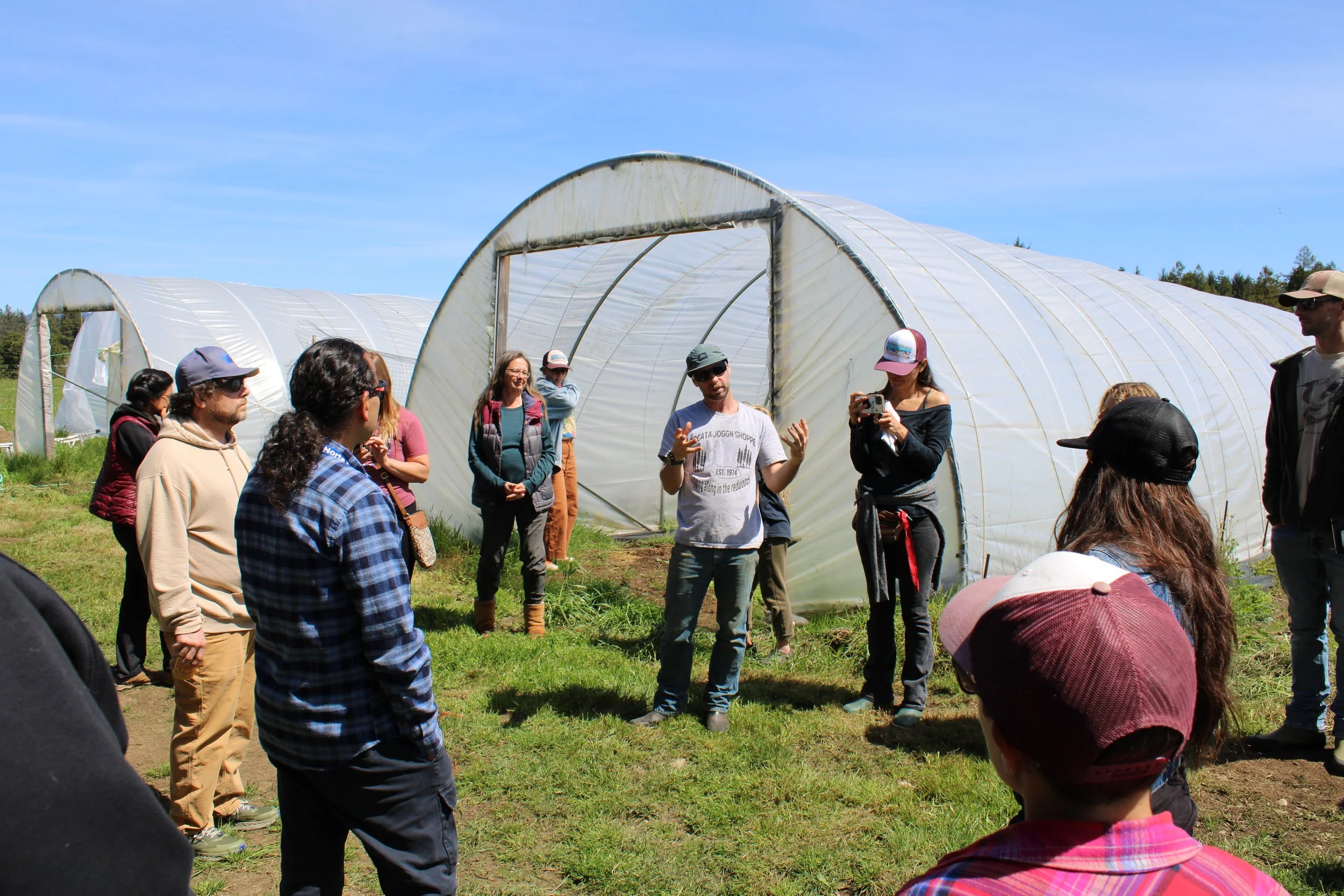
The Climate Resilient Farmer Training Program provides beginning farmers and ranchers with hands-on education, mentorship, and business training focused on climate-smart agriculture in Del Norte and Humboldt Counties. This 15-month long program combines workshops, field learning, internships, and technical assistance to support the next generation of resilient local producers.
This no-cost program includes:
classes in climate adaptive crop & livestock production, production planning, and business plan development.
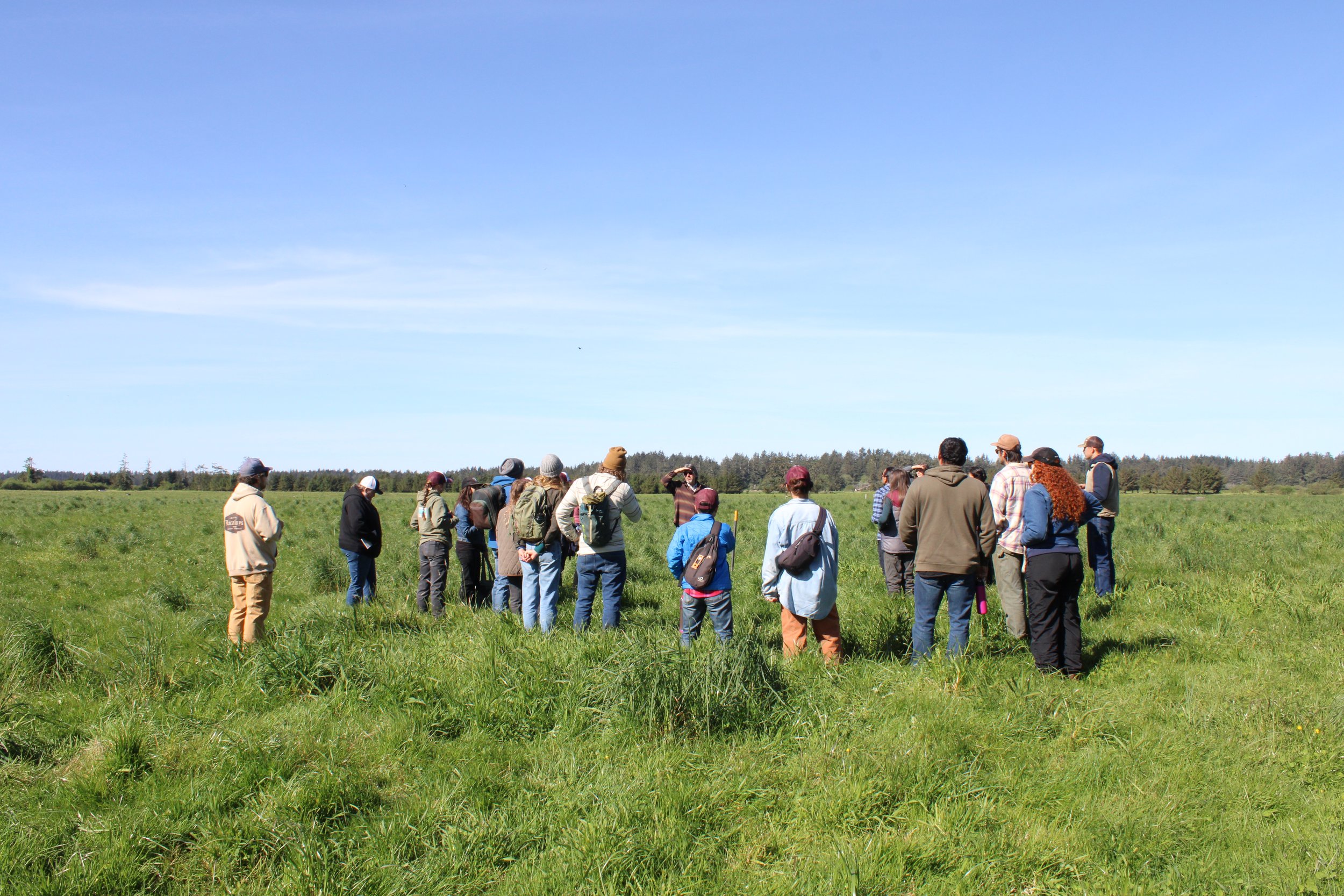
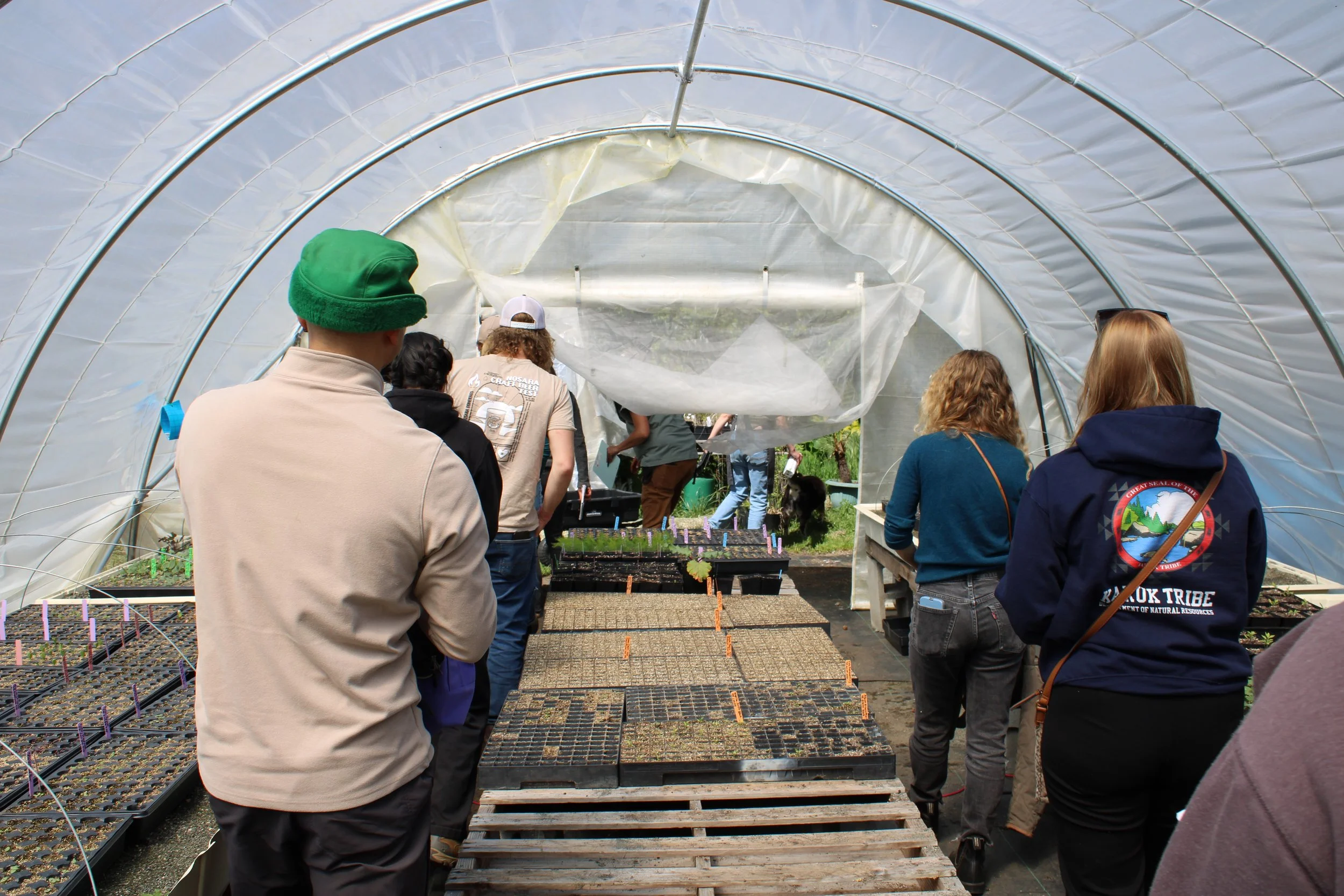
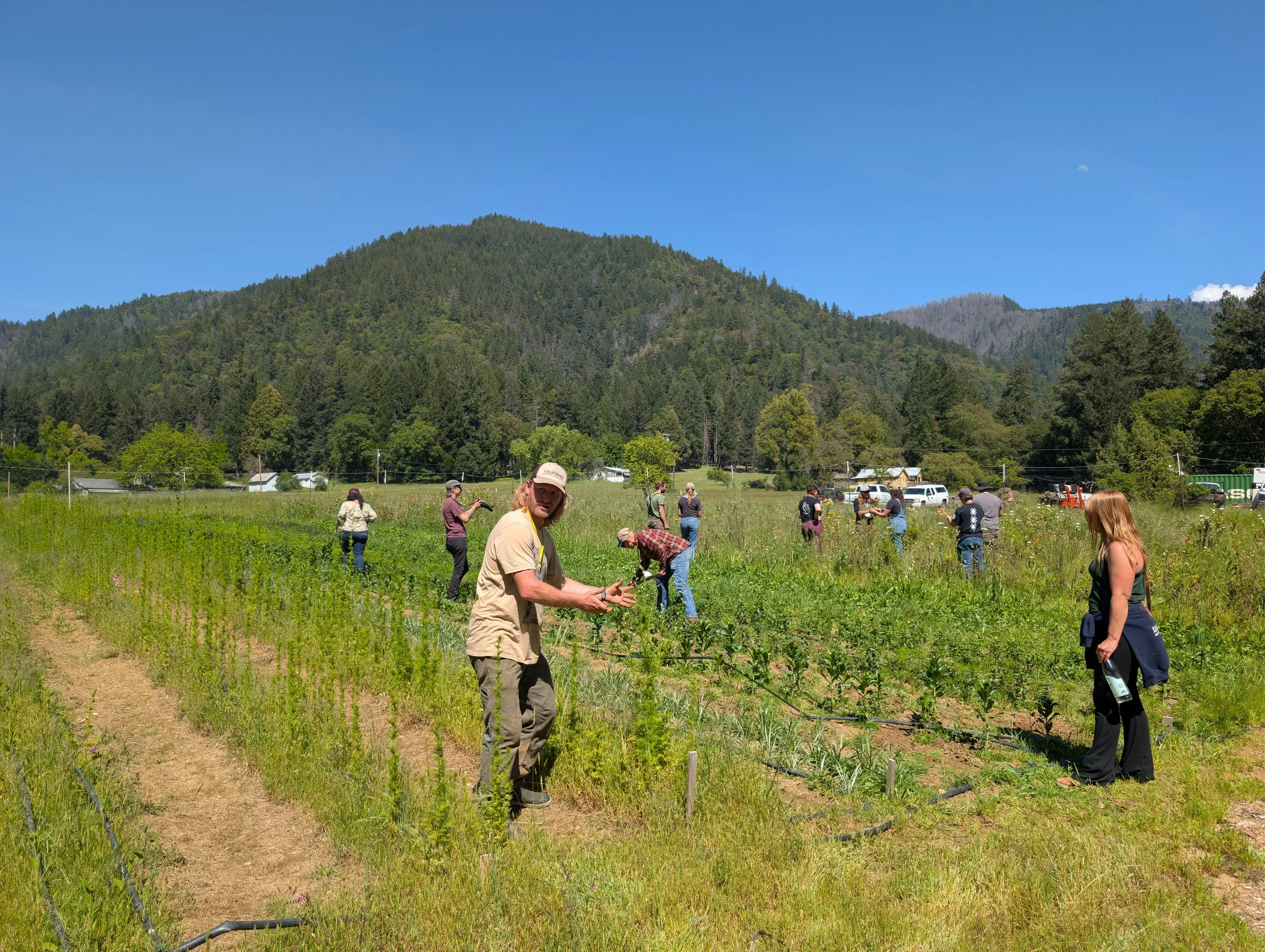
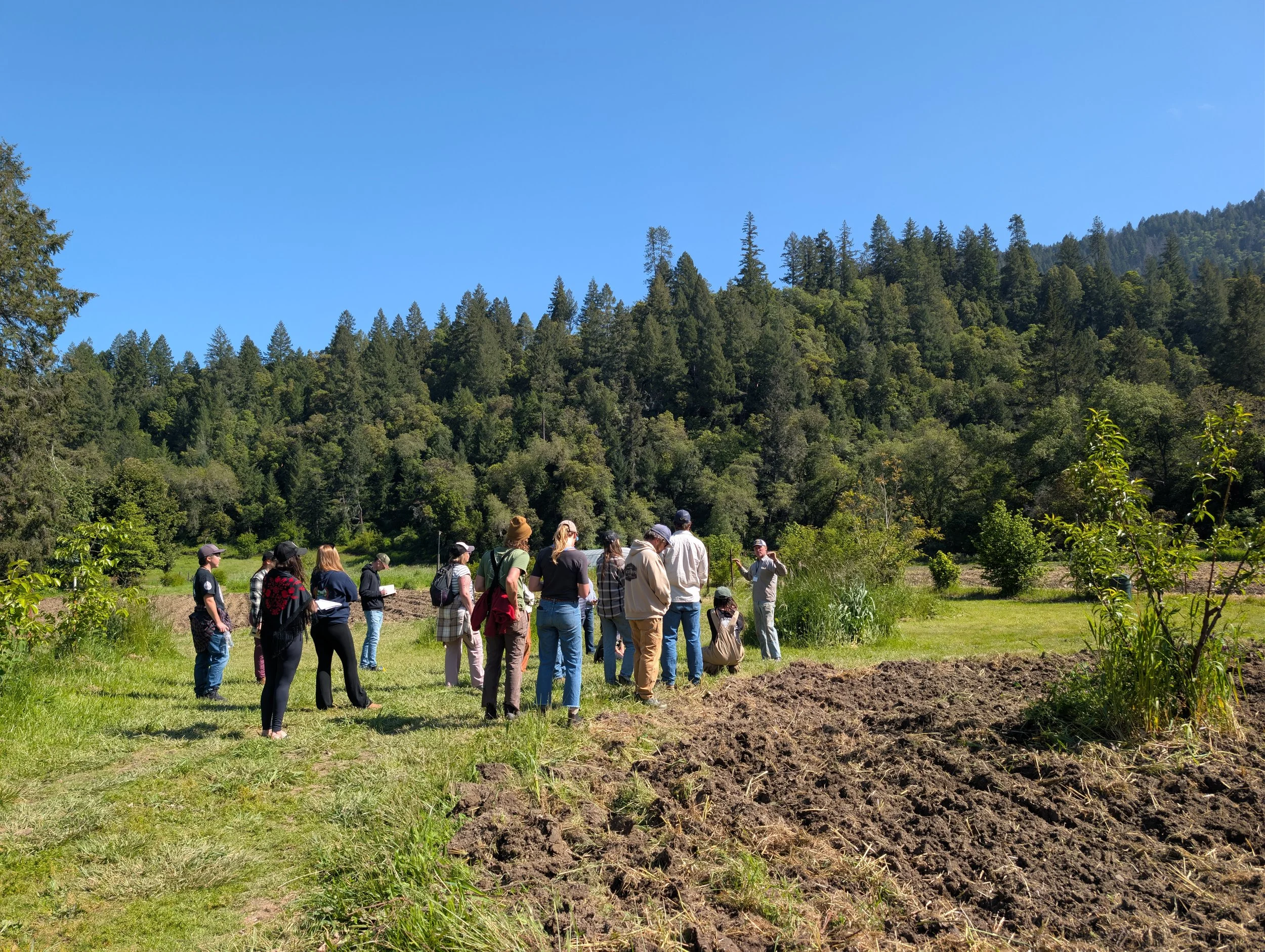
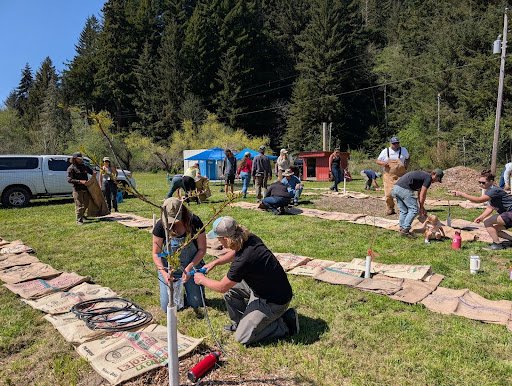
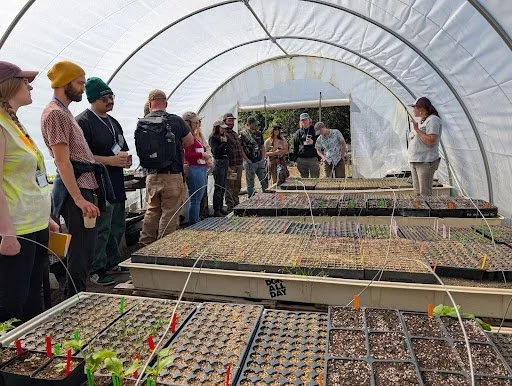
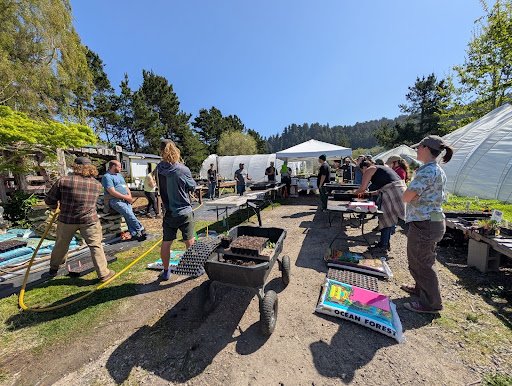
In-field & classroom learning with local seasoned farmers and experts including multiple farm locations.
Choice of paid internships for hands-on experience or mentorship pairings for support on your own site.
Who It’s For:
Current workers on a farm
Active members of community or food sovereignty garden
Individuals in the first few years of their farm operation
Space will prioritize historically underserved farmers and ranchers as defined by the USDA. The Climate Resilient Farmer Training Program Partners maintain a strong commitment to diversity, equity and inclusion.
How to Sign Up:
We are currently not accepting applications. The next 2026-2027 Cohort will likely begin accepting applications in Fall 2026. Check back for updates.
Our Actions
Provide free climate-smart agriculture training for beginning farmers and ranchers
Offer paid internships, mentorships, and travel stipends to reduce barriers to participation
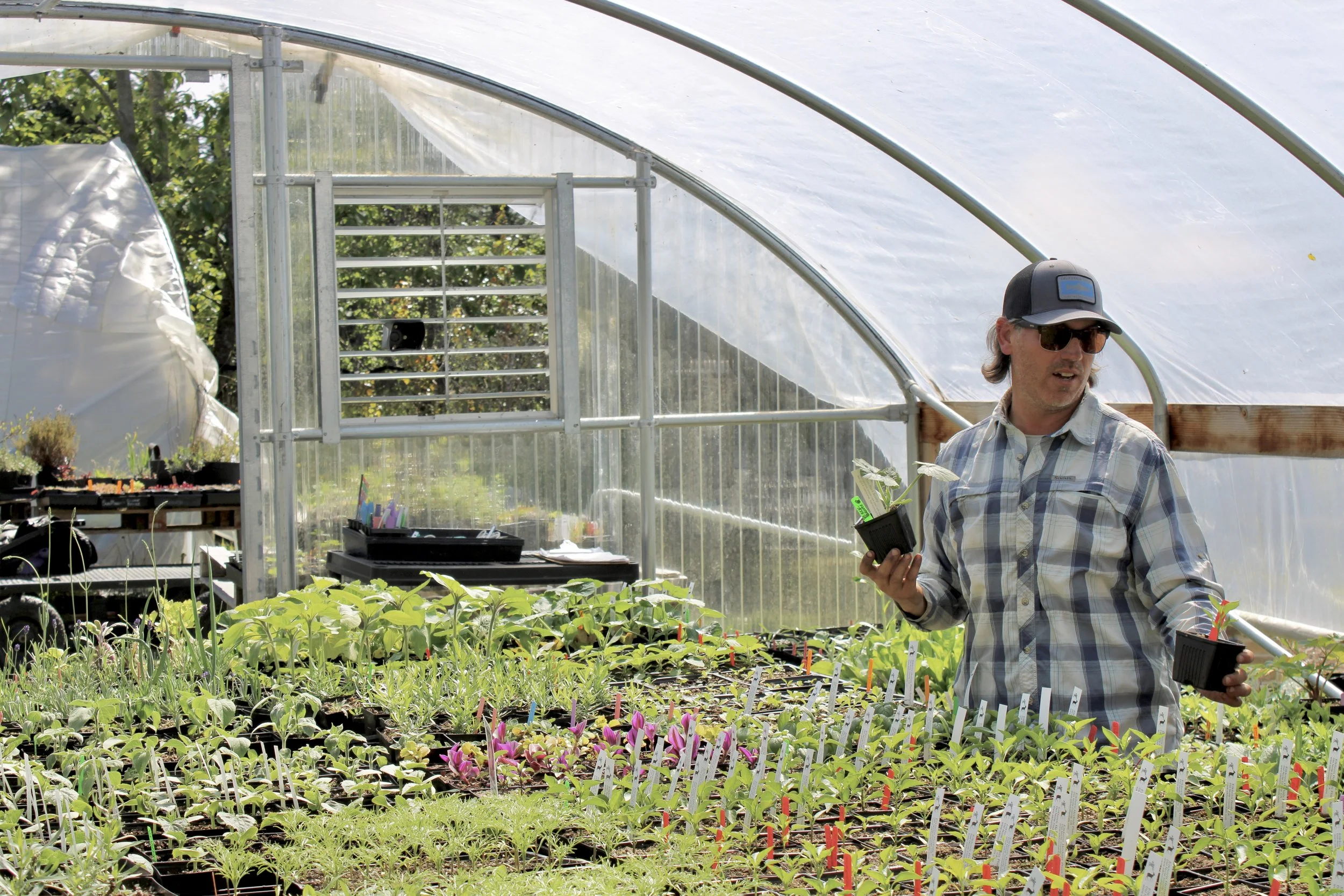
Deliver hands-on workshops, field learning, and technical assistance
Support farm business development through training and local partnerships
Connect participants with local farms, mentors, and agricultural resources
Prioritize opportunities for historically underserved farming communities
Develop regionally focused curriculum tailored to North Coast agriculture
Financial support
No cost to apply or participate.
Stipends provided to support some travel. $500 available for Humboldt residents and $700 is available for Del Norte residents.
Option of paid internships on local farms for up to 100 hours. Stipend amounts up to $2,000 depending on hours committed.
Funds distributed upon completion.
Program Timeline
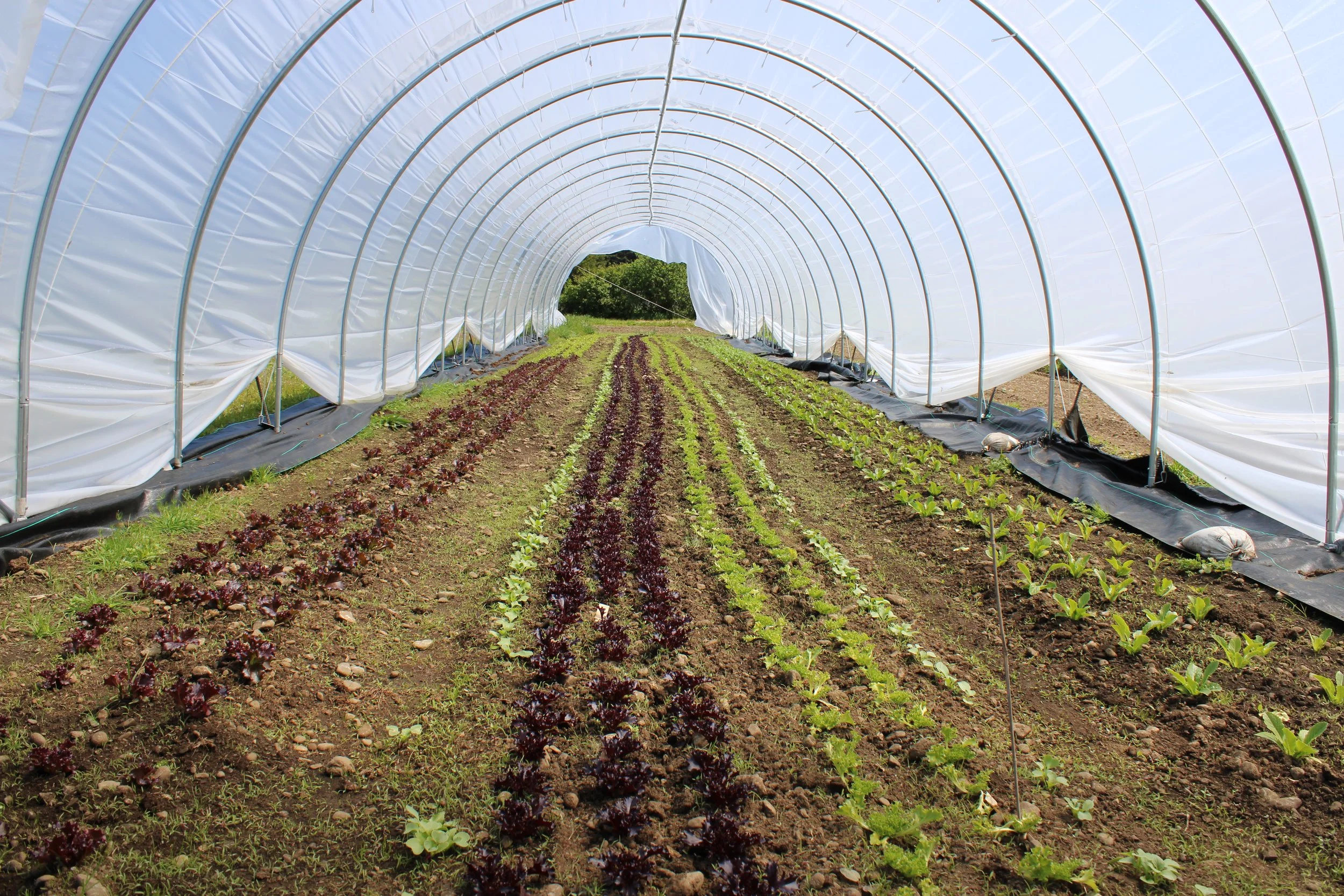
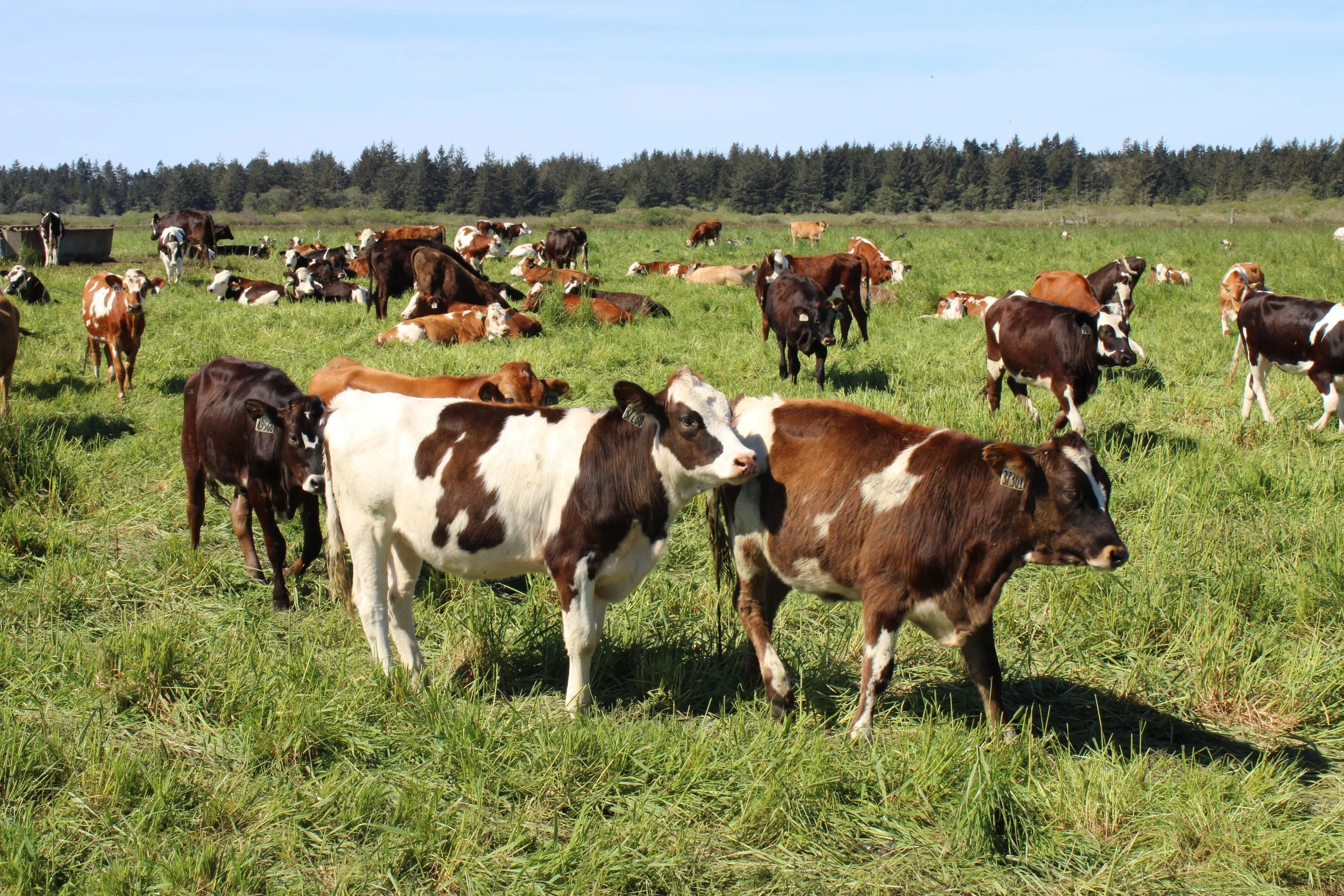
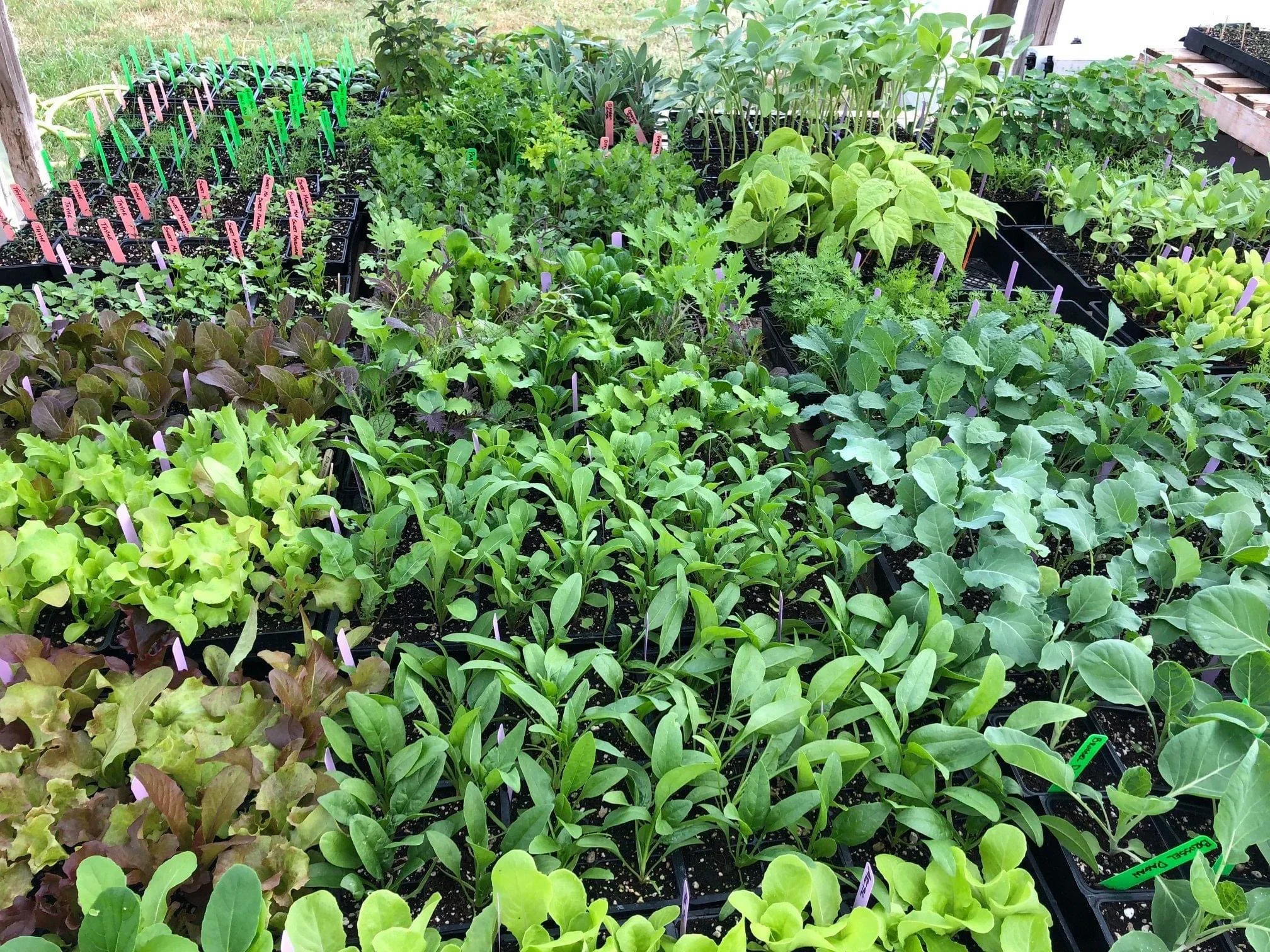
The 2026 cohort follows a regionally focused curriculum tailored to the North Coast’s climate, geography, and markets, with training in vegetables, tree fruits, wine grapes, beef, dairy, quinoa, dry beans, and more.
February – April 2026
Program kickoff with 1 introductory session, 4 virtual classes, and 4 in-field workshops focused on climate-smart agriculture, crop and livestock production, and access to regional farming resources.
Intro session and virtual classes held Mondays at 5:30pm (March–April)
In-field workshops held Fridays, March 1st through April 21st, as full-day workshops
May - August 2026
Participants enter either paid internships or mentorships. New or beginning farmers are placed with partner farms or community gardens for a paid 3-month internship, while those with existing operations receive mentorship and technical support 4 hours per month for 3 months. This phase also includes ongoing soil and water analysis support.
August 2026
Introduction to farm production plan development and planning assignments.
August - September 2026
Participants develop individualized crop or livestock production plans with support from program instructors, incorporating climate-resilient practices.
October - December 2026
Farm business training series (6 classes) focused on financial planning, management, and accessing new markets.
January – February 2027
Participants develop a full business plan with support from a local North Coast Small Business Development Center advisor.
March 2027
Program completion and final cohort gathering
Contact Our Staff
Del Norte County
Iya Mahan- Food Systems Program Director iya@dnatlfoodcouncil.org
Humboldt County
Lauren Picone- Agricultural Program Coordinator, North Coast Growers Association lauren@northcoastgrowersassociation.org
Ivy North- Agricultural Programs Director, North Coast Growers Association, ivy@northcoastgrowersassociation.org
This program is a collaboration between North Coast Growers Association, Del Norte & Tribal Lands Community Food Council, North Coast Small Business Development Center, and additional regional partners. Special thanks to University of California Cooperative Extension for development support in 2024 and 2025. Funding is currently provided through the Beginning Farmer and Rancher Development Program.
This training program acknowledges that agricultural services at the national, state, and local levels have historically underserved people of color, Indigenous and Native American communities, immigrants, undocumented people, non-English speakers, women, LGBTQI+ people, and people with disabilities. In response, the program is committed to operating with an actively anti-racist and inclusive approach that reduces barriers to participation and prioritizes historically underserved farmers and ranchers.